Sigma 150-600mm DG DN Sport: nine months with the polder lens
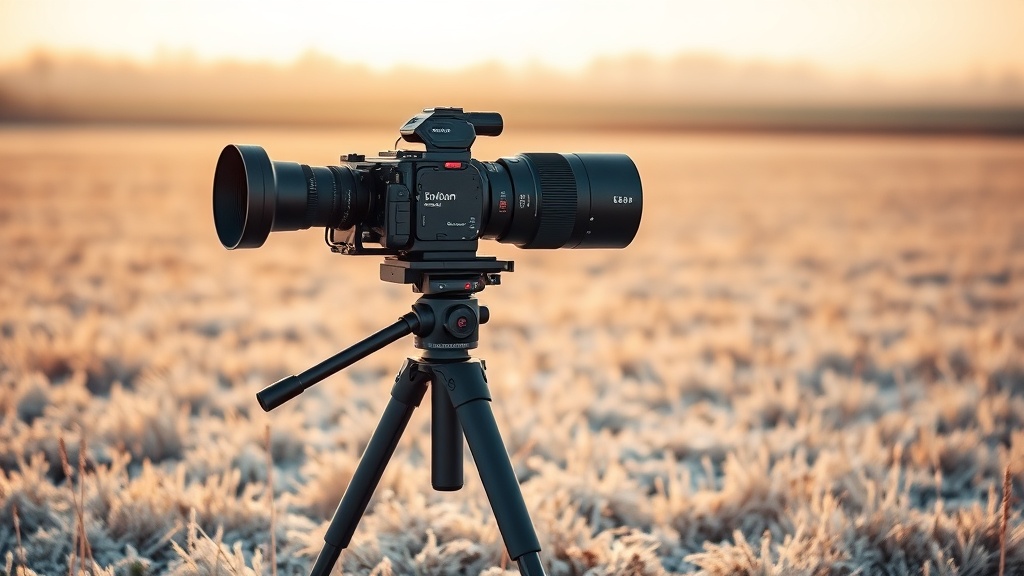
I bought the Sigma 150-600mm DG DN Sport in April 2025, about a week into the nesting season, which meant I was immediately throwing it at the hardest possible scenario: a hovering kestrel, backlit, against a bright sky, at 400 metres. It got the shot. I've been using it almost every weekend since.
This isn't a lab review. I don't have a resolution chart, I haven't shot any brick walls, and I'm not comparing MTF curves. What I have is nine months of field use in the specific context this site is about — bird photography in the Netherlands, primarily kestrels, in variable and often terrible light.
The autofocus question
This is what everyone who photographs birds with a Sony body wants to know, so I'll lead with it: the AF is good. Not perfect, but genuinely good.
For a hovering kestrel — which is essentially stationary relative to the ground — the A7 IV's bird eye-detection finds and holds lock reliably. I'd estimate 85-90% of frames sharp on acquisition in decent light. The remaining 10-15% is usually the camera deciding the wing is the subject, not the head, and going slightly soft on the body.
Where it gets harder is when the bird is moving: a stoop, a prey transfer between birds, a fast flush. At 600mm, tracking a bird crossing a featureless sky is fine. Tracking one that drops into vegetation and reappears 40 metres away is not — the camera hunts and by the time it reacquires you've missed the moment. I've switched to having a second body with the 70-350mm ready for those sequences.
Optical quality at the long end
At 600mm f/6.3 in good morning light, the lens is excellent. Sharp from the centre to well into the corners, smooth bokeh, no chromatic aberration I can find on kestrel plumage. Flare is controlled — I had some veiling in backlit situations early on but adding a good petal hood mostly solved it.
The corners do soften noticeably at wider apertures near 150mm, but you're almost never shooting a kestrel at 150mm. At the long end, which is where this lens lives for me, the story is consistently good.
- Focal length used
- 95% of my frames are at 500-600mm. I rarely go shorter.
- Typical exposure settings
- f/6.3, ISO 800-3200, 1/1600-1/3200s depending on season and light angle.
- Filter thread
- 105mm — expect to spend real money on a decent UV filter. I use a B+W MRC Nano.
- Weight
- 2090g. Heavy for hand-holding, fine on the Wimberley head. I hand-hold for up to 20-30 minutes when stalking, which is uncomfortable but manageable.
Dutch winter conditions
The Netherlands in January is cold, damp, frequently raining sideways, and about as lens-friendly as a car wash. I've used this lens in sustained rain (not torrential), in frost, and in the kind of salt-laden harbour wind that corrodes everything. After nine months there's no fogging, no fungus, no degradation in AF speed. The weather sealing appears to be doing its job.
One note: the front element attracts spray in windy conditions and you'll spend time wiping it. I keep a lens cloth in my coat pocket, not in the bag. The alternative is missing shots while you dig around for it.
What I'd change
The zoom ring feels good but the resistance is different at different focal lengths — stiffer near the ends of the range than in the middle. It's not a problem in practice but it's noticeable. The focus limiter switch is well placed and I use it constantly (near limit off for distant birds in open sky, near limit on when shooting into reeds where the camera wants to focus on vegetation in the foreground).
The tripod collar is solid and rotates smoothly. No complaints.
Would I buy it again? Yes, without much hesitation. For the price point it outperforms what I expected. The Sony 200-600mm is optically equivalent in my experience and has marginally better native AF integration, but costs significantly more and has a fixed 600mm end that I'd find limiting. For kestrel work in particular, the 150-600 range is exactly right.